Market Insights
5
min read
Battery Storage Is Beginning to Reshape U.S. Power Markets
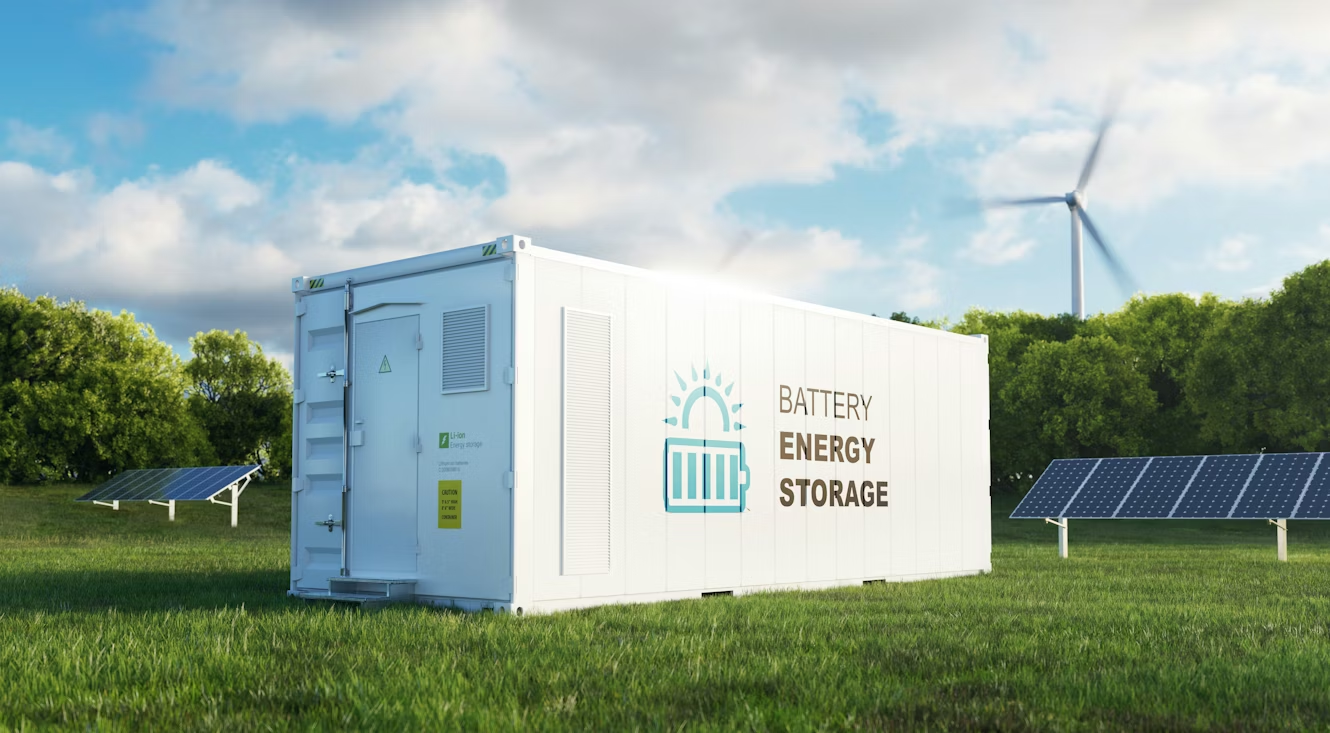
Battery storage is moving from a relatively small grid resource to a meaningful force in U.S. electricity markets, and the pace of growth is accelerating.


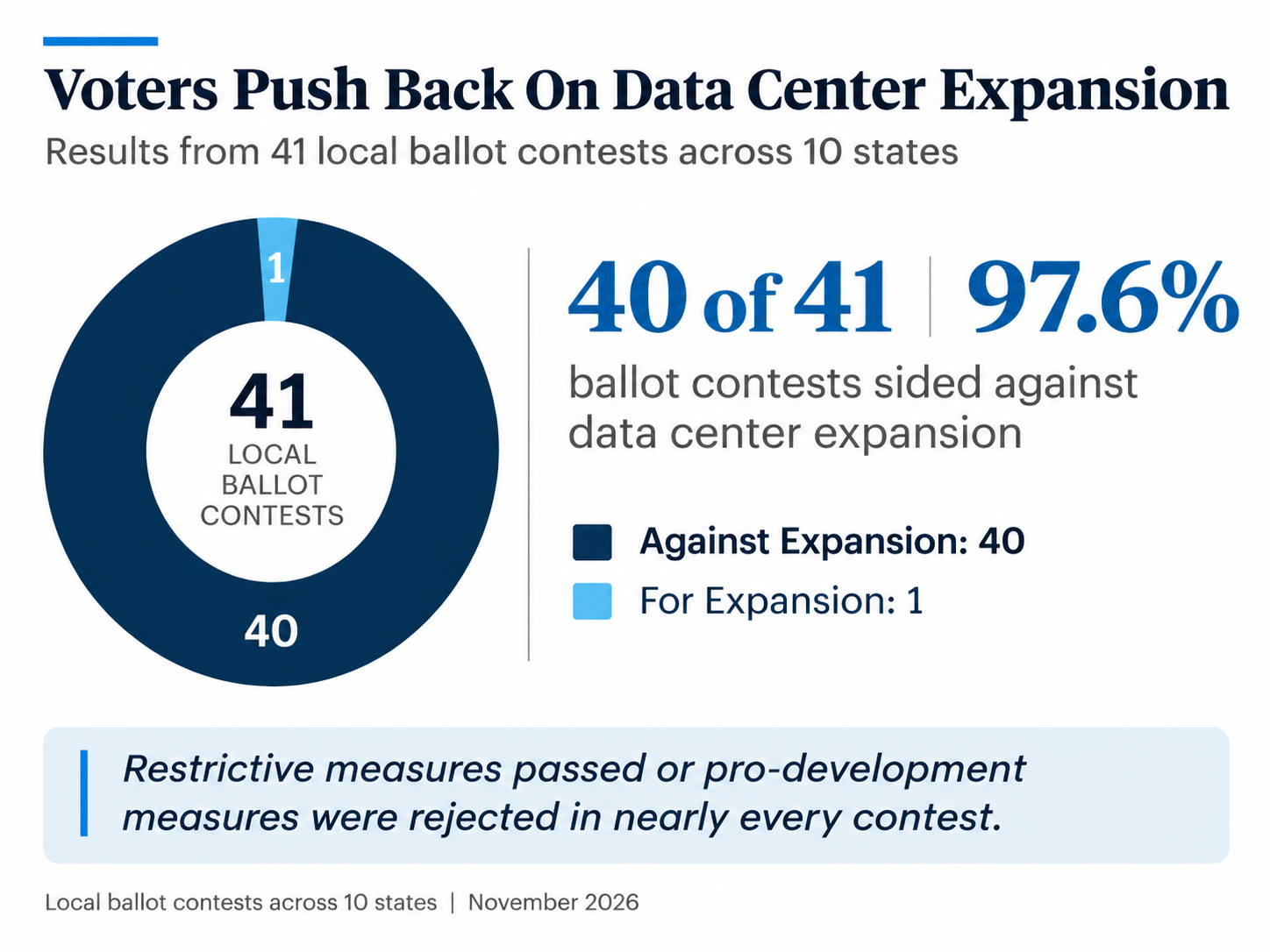
Elections can change the political landscape overnight, but they cannot change the economics of energy markets nearly as quickly. While the November 2026 midterm elections reshaped the balance of power in Washington, one of the most significant developments for the energy industry occurred at the local level. In 40 of 41 ballot contests across 10 states, voters sided against data center expansion, approving restrictions or rejecting measures that would have facilitated development. This overwhelming result raises serious questions about how much of the projected growth in electricity demand will actually materialize.
At the same time, the electricity industry faces increasing demand, aging infrastructure and billions of dollars in necessary generation and transmission investments. The election introduces additional uncertainty around natural gas production, LNG exports, infrastructure permitting and the future direction of federal and state energy policies.
But there is a fundamental reality that often gets lost in the political headlines: Capital cycles are much longer than political cycles. Power plants, pipelines and transmission systems require years of planning, permitting and construction, while political priorities can shift every two years.
For commercial and industrial energy buyers, the critical question is not simply which party controls Washington, but whether the election will meaningfully change the underlying forces driving energy prices. Our assessment is that Washington has changed considerably, but the market fundamentals have not.
Democratic control of Congress beginning in January 2027 will challenge several Trump administration energy initiatives, particularly those focused on expanding fossil fuel development, reducing environmental regulations and accelerating infrastructure approvals.
However, the administration retains substantial executive authority, and President Trump can veto legislation he opposes. Without sufficient bipartisan support, sweeping changes to existing energy policy could prove difficult.
The likely result is greater political gridlock rather than an immediate reversal of current policies.
For energy infrastructure developers, uncertainty can be just as problematic as unfavorable regulations. Investments in generation, pipelines and transmission require long term commitments, and shifting political priorities can delay projects that are essential to meeting future energy demand.
One of the most consequential energy developments following the election was the Senate's November 9 vote to advance the Bipartisan American Affordability and Jobs Act by a 73 to 25 margin. The legislation seeks to accelerate permitting for generation, transmission, natural gas infrastructure and other major energy projects by streamlining environmental reviews and reducing approval timelines.
Despite strong bipartisan support in the Senate, the election has complicated its path to becoming law. With Democrats taking control of Congress in January, some lawmakers are questioning whether they should finalize an agreement now or wait until they have greater negotiating leverage to strengthen renewable energy provisions and environmental protections. Other Democrats argue that delaying reform could further jeopardize urgently needed clean energy and transmission development.
This creates an interesting dilemma. Both political parties recognize the need for additional energy infrastructure, but disagree over which technologies should benefit and how projects should be approved. Delaying legislation to secure a more favorable agreement could ultimately delay the very generation and transmission investments both parties say are necessary.
For electricity buyers, these delays have real financial consequences. In markets such as PJM, where capacity prices have already reached auction ceilings, a shortage of new generation and transmission infrastructure could contribute to higher capacity, congestion and reliability costs. The concern is that political negotiations may move on a two year election cycle, while energy infrastructure requires investment decisions extending decades into the future. Regardless of which party controls Washington, the industry needs greater regulatory certainty to support essential infrastructure development.
Perhaps the most revealing energy related development from the election occurred at the local level.
Of the 41 data center related ballot contests, voters approved 27 measures limiting development or expressing opposition and rejected 13 measures that would have supported development. These included outright bans, moratoriums, zoning restrictions and requirements for greater community oversight.
The results demonstrate growing public concerns about electricity affordability, water consumption and infrastructure costs.
For years, utilities and grid operators have incorporated increasingly aggressive data center demand forecasts into their long term planning. However, there is a significant difference between an announced project, an interconnection request and a facility that ultimately becomes an operating electricity customer.
Financing constraints, permitting delays, power availability and local opposition could materially reduce or delay the amount of new demand reaching the grid.
This reinforces our view that projected load growth should not automatically be treated as guaranteed demand.
Artificial intelligence and digital infrastructure will remain important sources of electricity demand, but the pace of development will increasingly depend on whether developers can secure reliable power without transferring excessive costs to existing customers.
The ultimate impact on electricity markets will depend on how much new demand actually materializes relative to how quickly new generation and transmission capacity become available.
The political shift also raises questions about domestic natural gas production, pipeline development and LNG exports.
A Democratic Congress could increase scrutiny of LNG export approvals and make legislation supporting fossil fuel infrastructure more difficult to enact. However, many existing LNG projects have already secured significant regulatory approvals or financial commitments.
These developments will continue influencing domestic natural gas demand regardless of the election outcome.
Meanwhile, production remains largely dependent on economics. Producers must consider drilling costs, decline rates, transportation infrastructure and forward natural gas prices when determining whether to increase output.
Political support for production does not automatically create additional supply, just as increased environmental oversight does not immediately eliminate existing production. For natural gas buyers, weather, storage inventories, production economics and growing LNG demand remain more important near term price drivers than election results.
While congressional elections attract the greatest attention, state governments and utility regulators frequently have a more direct influence on electricity costs paid by commercial and industrial consumers.
State decisions affect generation development, utility investments, renewable energy requirements, cost recovery mechanisms and the allocation of infrastructure expenses associated with large new loads.
Some states may prioritize natural gas generation and accelerated infrastructure development, while others emphasize renewable energy, storage deployment and greater consumer protections.
These differences could produce increasingly divergent electricity cost structures across regional markets.
For companies operating facilities in multiple states, understanding local regulations and regional market fundamentals may be more important than following national energy policy.
The election introduces new uncertainty around energy policy, infrastructure development and the pace of electricity demand growth. However, the fundamental challenges facing energy buyers remain largely unchanged. New generation and transmission projects are struggling to keep pace with demand, natural gas markets are becoming increasingly connected to global LNG consumption, and rising capacity and transmission expenses continue to pressure retail electricity costs.
The growing opposition to data center development adds another variable. If projected demand fails to materialize, future capacity requirements and wholesale electricity prices could be lower than currently anticipated. Conversely, continued infrastructure delays could maintain upward pressure on costs even if demand growth moderates.
For commercial and industrial energy buyers, these competing risks reinforce the importance of a disciplined procurement strategy. Layered hedging, appropriate contract structures and active management of noncommodity expenses provide greater protection than attempting to anticipate political decisions or short term market movements.
The election changed Washington, but it did not eliminate energy market risk. The companies best positioned for success will be those managing that risk proactively rather than allowing political headlines to dictate their energy strategy.
At EnerNova, our goal is to put clear facts and data in front of our clients so they can make properly informed decisions. We are energy risk management experts. We help buyers understand what is happening in the market, what it means for their specific contract structure, and how to stay disciplined with strategies that reduce exposure to price volatility. Contact us today to discover the EnerNova Difference.


